Automatic Map Recognition
In the intricate world of chiptuning, understanding and optimizing the performance of a vehicle’s engine control unit (ECU) is paramount. One of the key technologies facilitating this process is Automatic Map Recognition. This advanced feature plays a crucial role in identifying and modifying engine maps, which are integral to enhancing vehicle performance.
What is Automatic Map Recognition?
Automatic Map Recognition is a sophisticated process used in chiptuning software to automatically identify and categorize the various maps within an ECU’s firmware. These maps, often referred to as “lookup tables,” are essentially instructions that dictate how the engine should perform under specific conditions. They control parameters such as fuel injection, ignition timing, and turbo boost pressure, among others.
The ability to accurately recognize and differentiate these maps is vital for tuners aiming to optimize a vehicle’s performance. Without automatic map recognition, tuners would need to manually sift through the binary code of an ECU’s firmware to locate and interpret these maps, a task that is both time-consuming and prone to human error.
How Does Automatic Map Recognition Work?
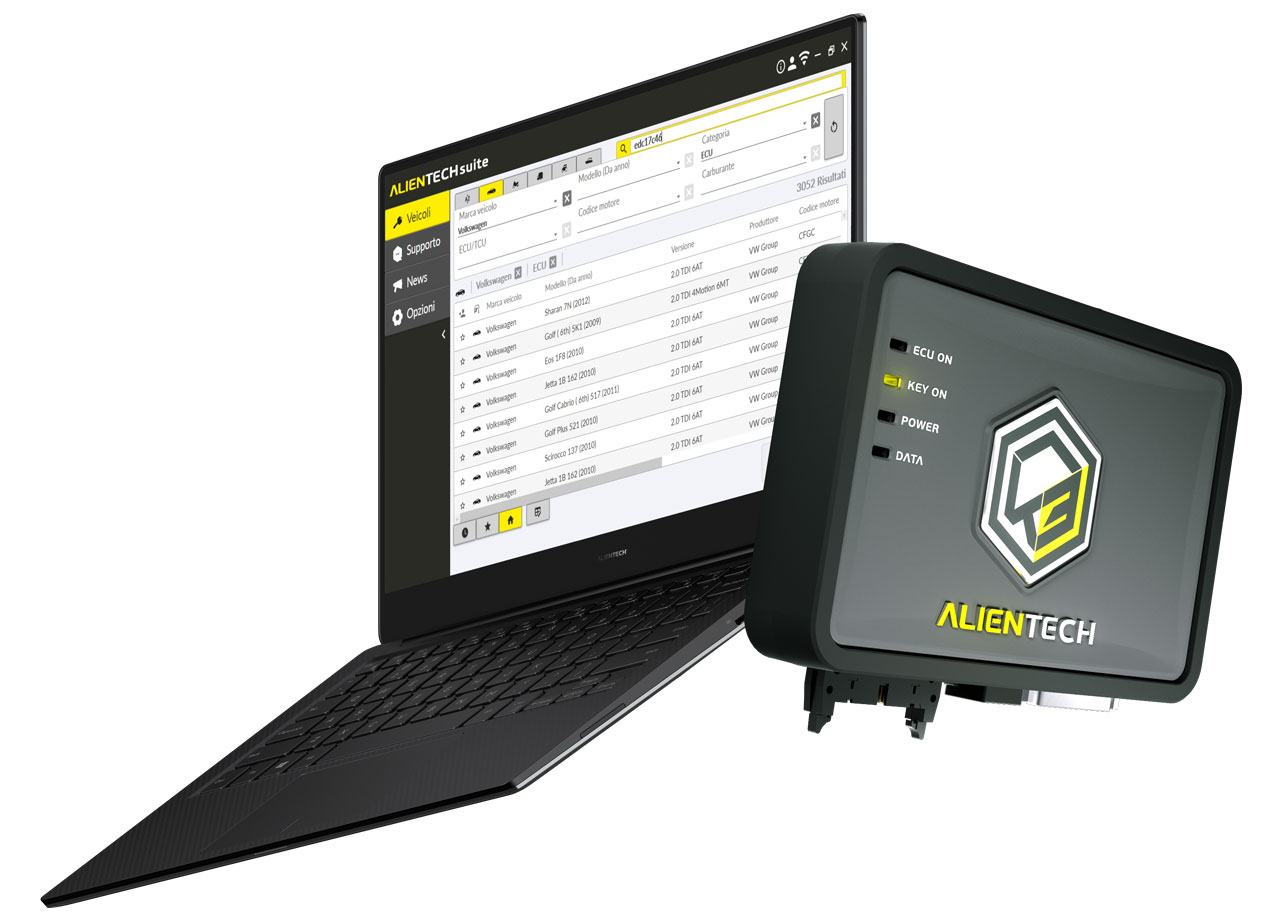
Automatic Map Recognition leverages advanced algorithms and pattern recognition techniques to scan the ECU’s binary file. By analyzing the data structure, the software can identify patterns and configurations that correspond to specific maps. This process is typically supported by a comprehensive database of known map structures and characteristics, allowing the software to accurately pinpoint the location and function of each map.
Once the maps are identified, the software categorizes them according to their function, such as fuel maps, ignition maps, or boost pressure maps. This categorization enables tuners to quickly access and modify the desired maps, streamlining the tuning process and ensuring that changes are made accurately and efficiently.
Benefits of Automatic Map Recognition
The introduction of Automatic Map Recognition into chiptuning software has revolutionized the tuning process by offering several key benefits:
- Time Efficiency: Automatic Map Recognition significantly reduces the time required to identify and access engine maps, allowing tuners to focus on optimizing performance rather than searching for data.
- Accuracy: By minimizing human intervention, the risk of errors in map identification and modification is greatly reduced, leading to more reliable tuning outcomes.
- Accessibility: Automatic Map Recognition makes chiptuning more accessible to novice tuners by simplifying the process of map identification and modification.
- Consistency: The use of algorithms ensures consistent map identification across different ECU models and firmware versions, enhancing the reliability of tuning results.
Applications of Automatic Map Recognition
Automatic Map Recognition is widely used in various chiptuning applications, including:
- Performance Tuning: Enhancing the power output and efficiency of the engine by optimizing fuel and ignition maps.
- Emissions Tuning: Modifying engine parameters to comply with emission standards without compromising performance.
- Custom Tuning: Creating bespoke tuning solutions tailored to the specific requirements of individual vehicles and drivers.
To learn more about the intricacies of chiptuning and the tools available, you might find our detailed exploration on WinOLS particularly insightful.
The Future of Automatic Map Recognition
As technology continues to advance, the capabilities of Automatic Map Recognition are expected to evolve, providing even greater precision and efficiency in the chiptuning process. Future developments may include enhanced machine learning algorithms that can adapt to new ECU models and firmware updates with minimal input from the user. Additionally, the integration of cloud-based databases could allow for real-time updates and access to the latest map structures and tuning strategies.
Furthermore, the increasing use of artificial intelligence in automotive technology could lead to more sophisticated tuning solutions that automatically adjust engine parameters in real-time based on driving conditions and driver preferences.
Challenges in Automatic Map Recognition
Despite its advantages, Automatic Map Recognition is not without challenges. The ever-changing landscape of ECU technology means that tuning software must constantly adapt to new architectures and firmware updates. Ensuring compatibility and accuracy across a wide range of vehicles requires ongoing research and development.
Another challenge is the protection mechanisms employed by some manufacturers to prevent unauthorized access to ECU firmware. These security features can hinder the ability of tuning software to accurately recognize and modify maps, requiring advanced decryption techniques and a deep understanding of ECU architecture.
In conclusion, Automatic Map Recognition is an indispensable tool in the world of chiptuning, offering unprecedented efficiency and accuracy in the tuning process. As technology progresses, its role is likely to expand, providing tuners with even more powerful tools to enhance vehicle performance.
Want to learn more about Automatic Map Recognition? Explore our range of tuning tools and software here.
If you have any questions regarding chiptuning, chiptuning tools or chiptuning files, please reach out to us and we’re happy to answer your questions! Contact us.