BDM Adapter
In the world of automotive tuning, the BDM adapter plays a crucial role in enabling tuners to access and modify the Electronic Control Unit (ECU) of a vehicle. Understanding what a BDM adapter is, how it functions, and its applications is essential for both beginners and advanced professionals in the field of chiptuning. This article delves into the intricacies of the BDM adapter, offering a comprehensive overview that caters to enthusiasts and professionals alike.
What is a BDM Adapter?
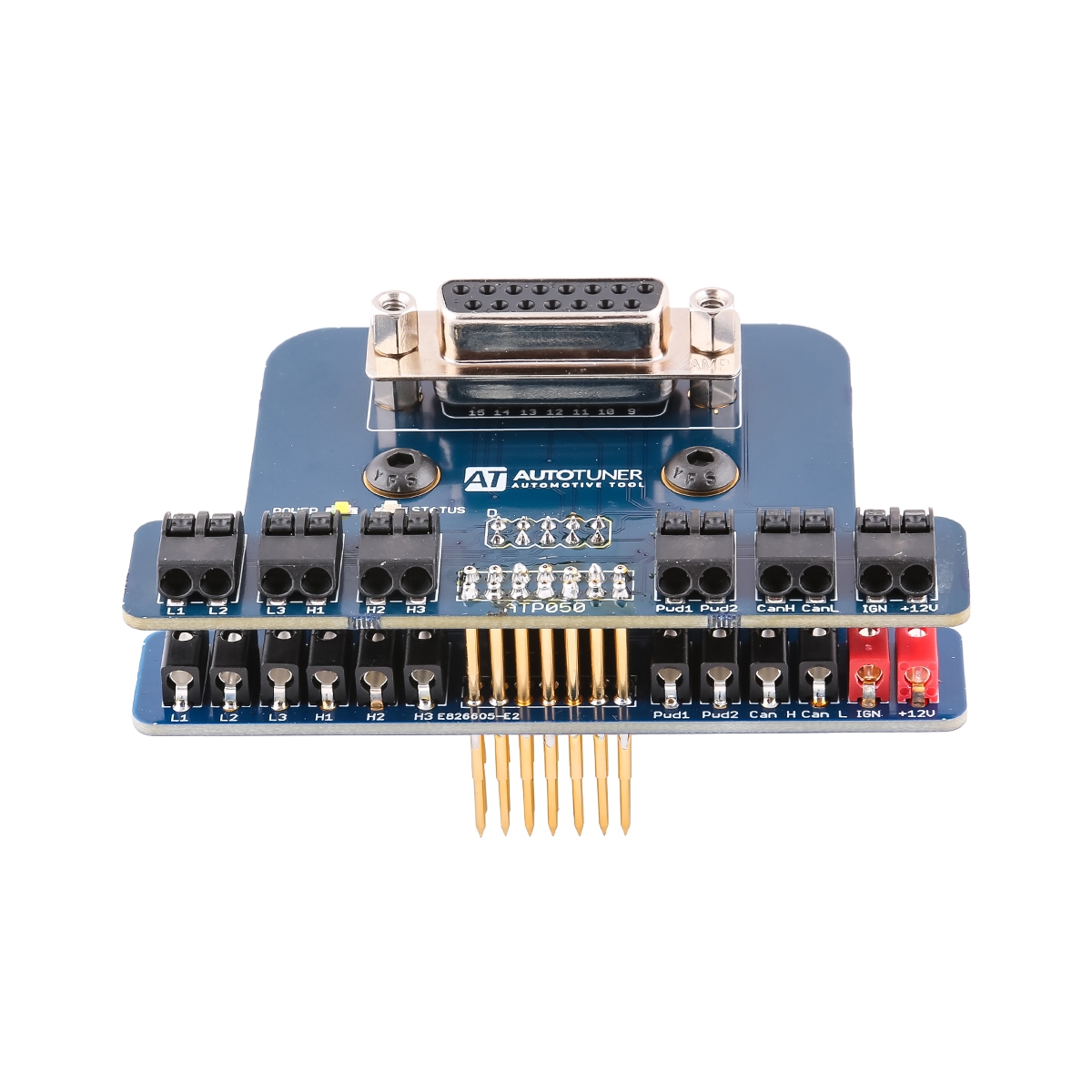
A BDM (Background Debug Mode) adapter is a specialized tool used in automotive diagnostics and tuning to interface directly with the ECU of a vehicle. It allows for reading and writing data to the ECU’s microcontroller, typically through a direct connection to the circuit board. This method is known as BDM tuning or bench tuning and is often employed when On-Board Diagnostics (OBD) tuning is not possible.
Why Use a BDM Adapter?
The primary reason to use a BDM adapter is to gain access to the ECU when OBD tuning is not feasible. This could be due to the ECU being locked, the vehicle being too old or too new, or when higher levels of access are required for advanced tuning operations. BDM adapters provide a direct connection to the ECU, allowing for more detailed modifications and diagnostics that are not possible through standard OBD ports.
Components of a BDM Adapter
A typical BDM adapter setup includes the following components:
- BDM Frame: This is a sturdy frame that holds the ECU and the BDM probe in place during the tuning process.
- BDM Probe: The probe is used to make a physical connection to the ECU’s circuit board, usually through a set of pins that align with the board’s contacts.
- BDM Software: The software is used to interface with the ECU through the BDM adapter, allowing for data reading and writing.
How Does a BDM Adapter Work?
The BDM adapter works by providing a direct connection to the ECU’s microcontroller. This is achieved by physically opening the ECU and connecting the BDM probe to the specific pads or pins on the ECU’s circuit board. Once connected, the BDM software communicates with the ECU, allowing the tuner to read and write data to the ECU’s memory. This process requires precision and care, as improper connections or handling can damage the ECU.
Advantages of Using a BDM Adapter
There are several advantages to using a BDM adapter in the tuning process:
- Comprehensive Access: BDM adapters offer comprehensive access to the ECU’s firmware, enabling tuners to make detailed modifications that are not possible with standard OBD tuning.
- Higher Success Rate: Since BDM tuning bypasses many of the limitations of OBD tuning, it often has a higher success rate, especially in complex tuning scenarios.
- Versatility: BDM adapters can be used on a wide range of vehicles, making them a versatile tool in a tuner’s arsenal.
Limitations and Challenges
Despite its advantages, using a BDM adapter also comes with certain challenges and limitations:
- Complexity: The process of BDM tuning is more complex and requires a higher level of expertise compared to OBD tuning.
- Risk of Damage: Improper handling or connection can lead to damage to the ECU, which can be costly to repair or replace.
- Time-Consuming: BDM tuning can be more time-consuming than OBD tuning due to the need for physical access to the ECU and the careful handling required.
Applications of BDM Adapters
BDM adapters are used in various applications within the automotive tuning industry:
- ECU Remapping: BDM adapters are commonly used for remapping the ECU to enhance vehicle performance, improve fuel efficiency, and customize engine behavior.
- Diagnostics: They are also used in advanced diagnostics to identify and troubleshoot issues at the firmware level.
- Firmware Updates: BDM adapters facilitate firmware updates that might not be possible through OBD interfaces.
Comparison with Other Tuning Methods
BDM tuning is just one of several methods available for modifying an ECU. Compared to OBD tuning, BDM offers more extensive access and capabilities but requires more expertise and carries higher risks. Other methods, such as bench tuning and boot mode tuning, also provide varying levels of access and are used depending on the specific requirements of the tuning job. For a detailed comparison between different tuning methods, you can refer to our guide on tuning methods.
How to Use a BDM Adapter Safely
Using a BDM adapter safely requires attention to detail and adherence to best practices:
- Proper Training: Ensure you have the necessary training and knowledge before attempting BDM tuning.
- Use Quality Tools: Invest in high-quality BDM adapters and probes to minimize the risk of damage to the ECU.
- Follow Manufacturer Instructions: Always follow the manufacturer’s instructions for connecting and using the BDM adapter.
- Handle with Care: Be gentle and precise when handling the ECU and making connections to avoid damaging the components.
Conclusion
The BDM adapter is an essential tool for automotive tuners seeking to maximize the performance and capabilities of a vehicle’s ECU. While it offers significant advantages in terms of access and flexibility, it also requires a higher level of expertise and care. By understanding the functionality and applications of a BDM adapter, tuners can effectively leverage this tool to achieve their tuning objectives.
Want to learn more about BDM adapters and other tuning tools? Explore our range of tuning tools and software in our shop.
If you have any questions regarding chiptuning, chiptuning tools or chiptuning files, please reach out to us and we’re happy to answer your questions! Contact us.