
Binary File Editor
In the realm of chiptuning, a binary file editor is a crucial tool that allows tuning professionals to modify the software code embedded within a vehicle’s Engine Control Unit (ECU). This modification process, often referred to as remapping or flashing, is essential for optimizing engine performance, improving fuel efficiency, and customizing various vehicle parameters to meet specific needs.
Understanding the Binary File Editor
A binary file editor, also known as a hex editor, is a software application that allows users to view and edit the binary data that makes up a computer file. In the context of chiptuning, the primary focus is on the ECU’s firmware, which is stored in a binary format. This firmware contains all the instructions and data that the ECU uses to manage the engine’s operation.
Why Use a Binary File Editor?
The use of a binary file editor in chiptuning is driven by several key objectives:
- Performance Enhancement: By adjusting parameters such as fuel injection timing, turbo boost levels, and ignition timing, tuners can increase engine power and torque.
- Fuel Efficiency: Modifying the ECU can lead to better fuel economy by optimizing the air-fuel ratio and other parameters.
- Customization: Enthusiasts can tailor their vehicle’s performance characteristics to their personal driving style or specific requirements, such as off-road capabilities or racing.
- Correction of Factory Limitations: Manufacturers often impose conservative settings on the ECU to meet regulatory requirements or to accommodate varying fuel qualities. A binary file editor allows tuners to remove these limitations.
Features of a Binary File Editor
A robust binary file editor designed for chiptuning typically includes several features to facilitate the editing process:
- Hexadecimal View: Displays the raw binary data in a hexadecimal format, which is essential for precise editing.
- Search and Replace: Enables users to locate specific byte sequences and replace them with new data.
- Data Interpretation: Offers tools to interpret binary data as different data types, such as integers or floating-point numbers, which can be crucial for understanding ECU parameters.
- Checksum Calculation: Automatically recalculates checksums to ensure data integrity after modifications.
- File Comparison: Allows users to compare different versions of a binary file to identify changes.
Binary File Editor in Action
To understand how a binary file editor works, let’s consider a practical scenario. Suppose a tuner wants to increase the horsepower of a car by adjusting its turbo boost levels. Using a binary file editor, the tuner can locate the specific section of the ECU firmware that controls the turbocharger and modify the relevant parameters. After making the necessary changes, the tuner saves the modified binary file and uploads it back to the ECU, completing the tuning process.
Choosing the Right Binary File Editor
When selecting a binary file editor for chiptuning, several factors should be considered:
- Compatibility: Ensure the editor supports the specific ECU models and firmware versions you plan to work with. For more insights on ECU compatibility, check out our guide on ECU compatibility with autotuner slave tools.
- User Interface: A user-friendly interface can significantly enhance productivity, especially for those new to chiptuning.
- Support and Updates: Opt for software that receives regular updates and offers customer support to keep up with evolving ECU technologies.
- Security Features: Look for editors that provide backup and recovery options to prevent data loss during the editing process.
Challenges and Considerations
While binary file editors are powerful tools, they come with certain challenges and considerations:
- Technical Expertise: Editing binary files requires a deep understanding of ECU architecture and tuning principles. Mistakes can lead to engine damage or reduced performance.
- Legal and Warranty Issues: Modifying the ECU may void vehicle warranties and, in some regions, may not comply with emissions regulations.
- Complexity: The complexity of modern ECUs means that even small changes can have significant effects, making precise editing crucial.
Binary File Editors and the Future of Chiptuning
As automotive technology continues to advance, binary file editors will play an increasingly important role in chiptuning. The growing popularity of electric vehicles and advanced driver-assistance systems (ADAS) will create new opportunities and challenges for tuners. As such, staying informed about the latest developments in binary file editing and ECU technology will be essential for professionals in the field.
Conclusion
In conclusion, a binary file editor is an indispensable tool for anyone involved in chiptuning. It allows for precise modifications to the ECU’s firmware, enabling performance enhancements, fuel efficiency improvements, and customization. However, using such a tool requires technical expertise and an understanding of the potential legal implications. As the automotive industry evolves, the role of binary file editors will continue to grow, offering exciting possibilities for tuners worldwide.
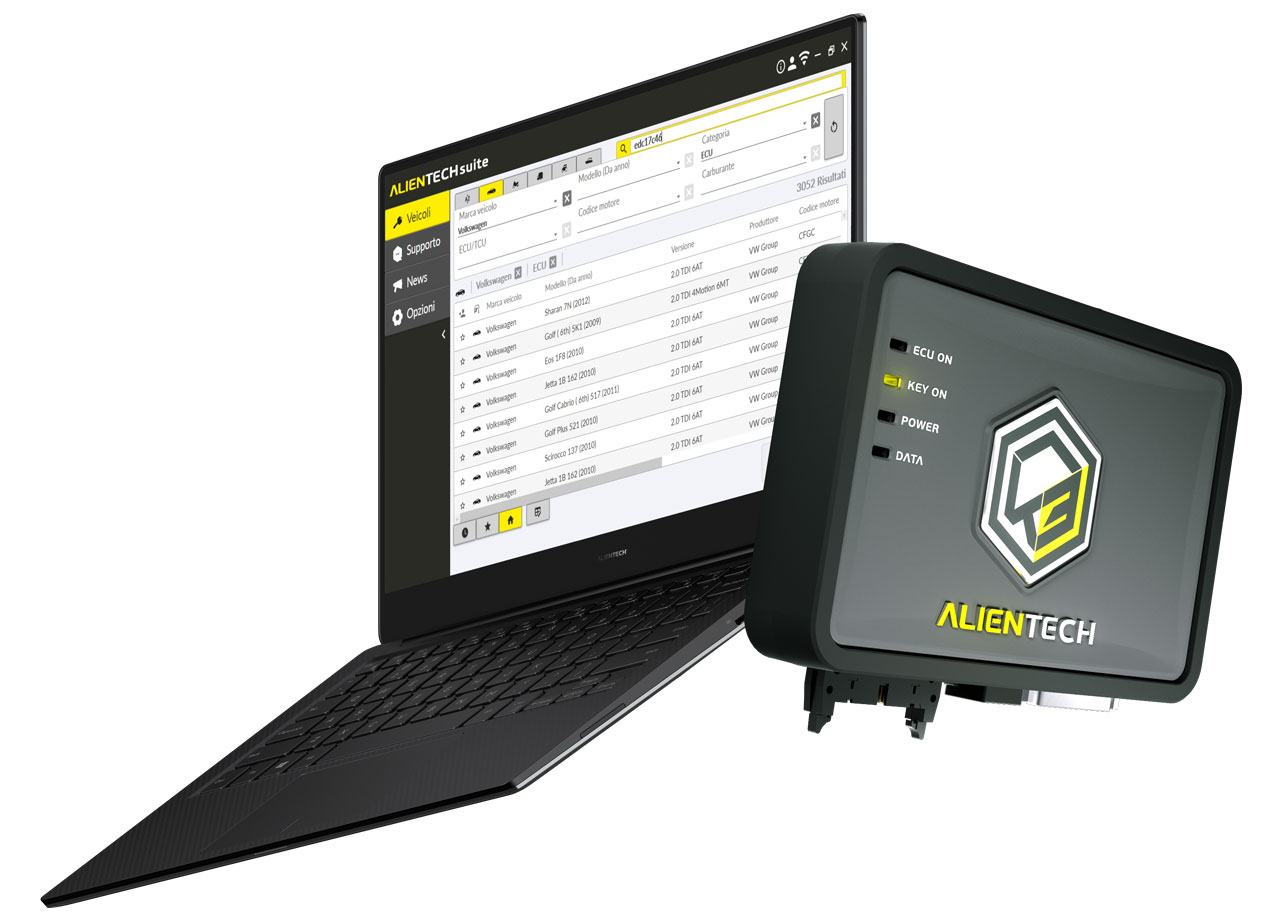
Want to learn more about binary file editors? Explore our range of tuning tools and software here.
If you have any questions regarding chiptuning, chiptuning tools or chiptuning files, please reach out to us and we’re happy to answer your questions! Contact us.