Control Unit Identification
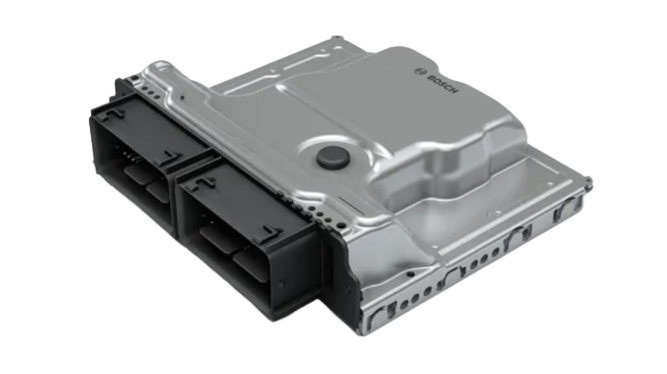
In the realm of automotive tuning and diagnostics, understanding the intricacies of a vehicle’s control unit is paramount. The control unit, often referred to as the Engine Control Unit (ECU) or Electronic Control Module (ECM), serves as the vehicle’s brain, managing various engine functions and ensuring optimal performance. Control unit identification is a critical process for tuners and mechanics, providing the necessary insights to customize and optimize a vehicle’s performance.
What is Control Unit Identification?
Control unit identification involves recognizing and understanding the specific characteristics and data of an ECU. This process is essential for accessing the ECU’s software and hardware configuration, which includes the firmware version, serial number, and other unique identifiers. Identifying the control unit accurately allows tuners to determine compatibility with various tuning tools and software, ensuring that any modifications are safe and effective.
The Importance of Control Unit Identification in Tuning
In the tuning industry, control unit identification is fundamental for several reasons. First, it ensures that the correct tuning files are applied to the ECU, preventing potential mismatches that could lead to suboptimal performance or even damage. Moreover, knowing the exact specifications of the ECU aids in selecting the appropriate tuning tools, such as the WinOLS or other advanced software, to modify and optimize the vehicle’s performance parameters.
How Control Unit Identification Works
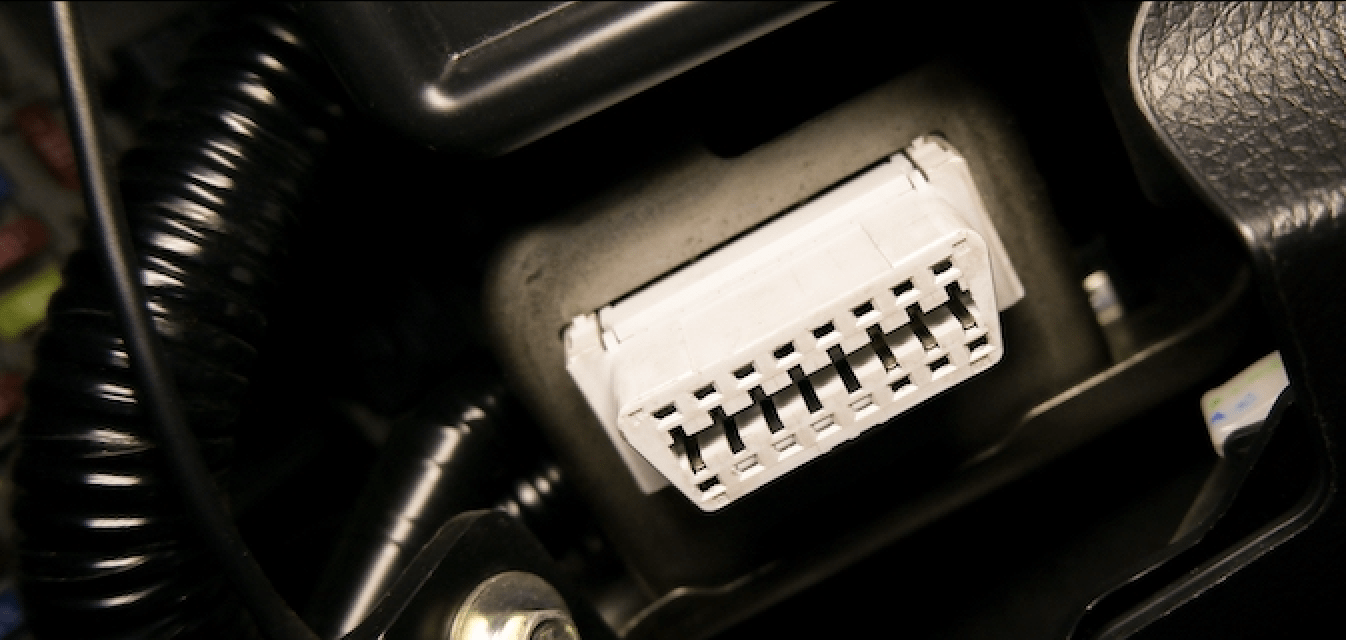
Control unit identification typically involves connecting a diagnostic tool to the vehicle’s OBD-II port. This connection allows the tool to communicate with the ECU, extracting vital information such as the hardware and software numbers, the vehicle identification number (VIN), and other relevant data. This process may vary depending on the make and model of the vehicle, as well as the type of ECU installed.
Tools Used in Control Unit Identification
Several tools are available for control unit identification, each offering different levels of functionality and compatibility. Popular tools include:
- OBD-II Scanners: Basic scanners that provide essential ECU data, suitable for general diagnostics and minor tuning adjustments.
- Advanced Diagnostic Tools: Devices like the Autotuner and CMD Flashtec provide comprehensive ECU information, allowing for detailed tuning and software modifications.
- ECU Programming Kits: These kits enable direct communication with the ECU, facilitating extensive modifications and customizations.

Challenges in Control Unit Identification
While control unit identification is crucial, it is not without challenges. One common issue is the presence of locked ECUs, which restrict access to the necessary data. Additionally, variations in ECU design and software across different manufacturers can complicate the identification process. These challenges necessitate the use of specialized tools and expertise to accurately identify and modify the control unit.
Solutions and Best Practices
To overcome the challenges associated with control unit identification, tuners and mechanics should adhere to best practices such as:
- Using Up-to-Date Tools: Ensure that diagnostic and tuning tools are updated regularly to maintain compatibility with the latest ECU models and software versions.
- Professional Training: Stay informed about the latest developments in ECU technology and tuning techniques through continuous education and training.
- Collaborating with Experts: Seek assistance from experienced professionals or communities when dealing with complex ECUs or uncommon vehicle models.
Applications of Control Unit Identification in Automotive Tuning
Control unit identification plays a vital role in various tuning applications, including:
- Performance Tuning: Modifying ECU parameters to enhance engine performance, increase horsepower, and improve fuel efficiency.
- Custom Tuning: Tailoring ECU settings to suit specific driving preferences or vehicle modifications, such as turbochargers or exhaust systems.
- Diagnostics and Troubleshooting: Identifying and resolving issues related to engine performance, emissions, and other critical functions.
Future Trends in Control Unit Identification
The field of control unit identification is continually evolving, driven by advancements in automotive technology and the increasing complexity of vehicle systems. Future trends may include the integration of artificial intelligence and machine learning to enhance identification accuracy and streamline the tuning process. Additionally, as vehicles become more connected, remote diagnostics and tuning may become more prevalent, offering new opportunities for tuners and mechanics.
Conclusion
Control unit identification is a cornerstone of modern automotive tuning, providing the essential information needed to optimize vehicle performance safely and effectively. By understanding the intricacies of ECU identification and staying abreast of the latest tools and techniques, tuners and mechanics can unlock the full potential of their vehicles, ensuring peak performance and reliability.
Want to learn more about control unit identification? Explore our range of tuning tools and software here.
If you have any questions regarding chiptuning, chiptuning tools or chiptuning files, please reach out to us and we’re happy to answer your questions! Contact us.