Data Logging Dashboard
In the evolving landscape of automotive tuning, the Data Logging Dashboard stands as a critical tool for both beginners and seasoned professionals. This sophisticated interface provides real-time insights into vehicle performance, enabling tuners to make informed decisions that enhance vehicle efficiency and power. Understanding the full scope of what a data logging dashboard offers is crucial for anyone involved in chiptuning.
What is a Data Logging Dashboard?
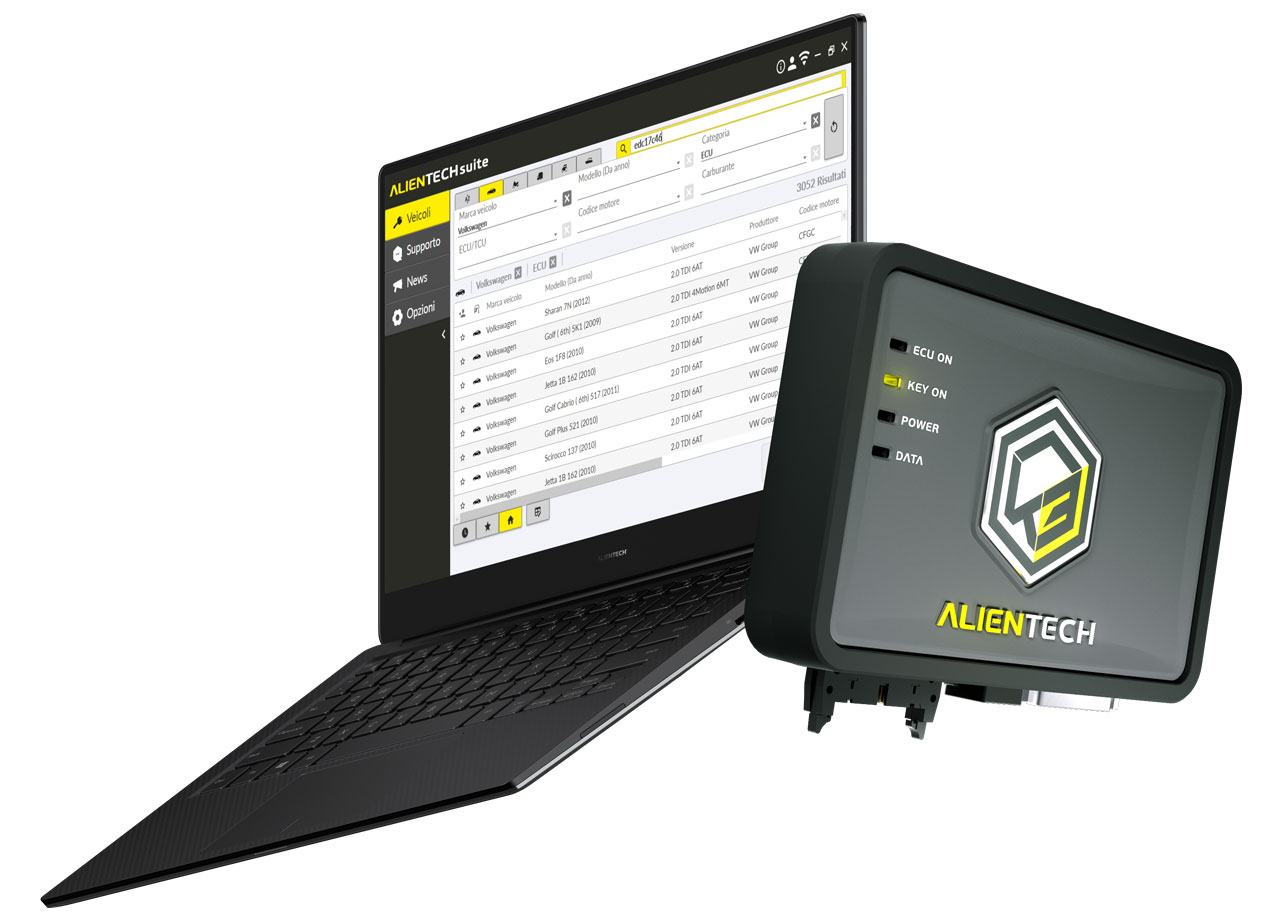
A Data Logging Dashboard is an integrated software interface that captures and displays a wide range of engine and vehicle parameters. This tool is pivotal for chiptuners who require precise data to modify the engine control unit (ECU) settings effectively. The dashboard collects data from various sensors in the vehicle, providing a comprehensive view of performance metrics such as engine speed, fuel pressure, air intake temperature, and more.
Key Features of a Data Logging Dashboard
- Real-Time Data Acquisition: The dashboard allows for the real-time collection of data, which is crucial for immediate analysis and tuning adjustments.
- Customizable Interface: Users can customize the dashboard to display only the parameters they are interested in, making it a user-friendly tool.
- Data Storage and Retrieval: Past data can be stored and retrieved for comparison and analysis, enabling tuners to track changes over time.
- Graphical Data Representation: The dashboard often includes graphs and charts that provide visual representations of data trends and patterns.
Importance of Data Logging in Chiptuning
The use of a Data Logging Dashboard is essential for achieving optimal results in chiptuning. It provides tuners with the ability to monitor changes in vehicle performance in response to specific tuning adjustments. This feedback loop is vital for fine-tuning and ensuring that modifications lead to desired outcomes such as increased horsepower or improved fuel efficiency.
How to Utilize a Data Logging Dashboard
Utilizing a Data Logging Dashboard effectively requires a clear understanding of the vehicle’s engine management system and the goals of the tuning project. Here are some steps to maximize its use:
- Initial Setup: Properly configure the dashboard to connect with the vehicle’s ECU and sensors.
- Select Parameters: Choose the specific parameters that need monitoring based on the tuning objectives.
- Analyze Data: Continuously analyze the data to identify patterns and anomalies that can inform tuning decisions.
- Adjust and Test: Make necessary adjustments to the ECU and test the vehicle under various conditions to verify improvements.
Choosing the Right Data Logging Tools
When selecting a data logging tool, consider compatibility with your vehicle’s ECU, ease of use, and the range of parameters it can monitor. Some popular tools include the Alientech KESS3 and CMD Flashtec, known for their robust data logging capabilities. For a detailed comparison of these tools, you can explore our comprehensive guide on choosing the right chiptuning tools for your business.
Future of Data Logging in Automotive Tuning
The future of data logging in automotive tuning is promising, with advancements in AI and machine learning enhancing the ability to predict and optimize vehicle performance. These technologies will allow for more precise tuning and faster decision-making, further solidifying the role of data logging dashboards in the industry.
Want to learn more about Data Logging Dashboard? Explore our range of tuning tools and software here.
If you have any questions regarding chiptuning, chiptuning tools or chiptuning files, please reach out to us and we’re happy to answer your questions! Contact us.