Governor Limit Removal
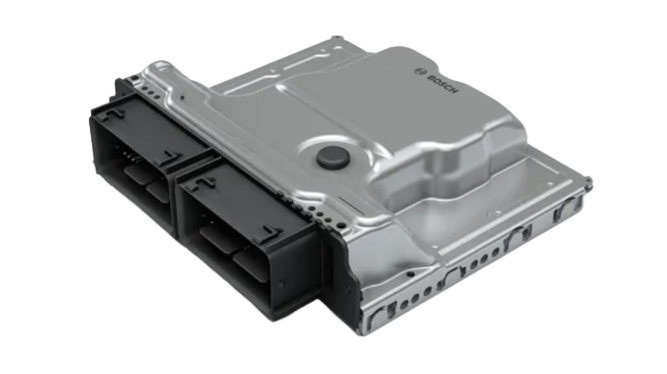
In the world of chiptuning and performance enhancement, one term that frequently comes up is “Governor Limit Removal.” This concept refers to the process of modifying a vehicle’s engine control unit (ECU) to eliminate the speed governor, a feature that restricts the maximum speed a vehicle can achieve. Governor limit removal is often sought after by car enthusiasts and professionals who wish to unlock the full potential of a vehicle’s performance capabilities.
Understanding Governor Limits
Before diving into the intricacies of governor limit removal, it is essential to understand what a governor limit is and why it exists in the first place. A speed governor is an electronic or mechanical device that is installed in vehicles to limit their top speed. This limit is often imposed by manufacturers to ensure safety, compliance with regulations, and to protect the vehicle’s components from excessive wear and tear.
Typically, speed governors are programmed into the vehicle’s ECU and can vary widely based on the make and model of the vehicle. For instance, many passenger cars are limited to speeds ranging from 100 to 130 mph, while commercial vehicles might have much lower limits to ensure safety and compliance with road regulations.
The Purpose and Benefits of Governor Limit Removal
Governor limit removal serves several purposes, primarily focused on enhancing vehicle performance. Here are some of the key benefits:
- Increased Speed: The most immediate benefit of removing the governor limit is the ability to achieve higher speeds. This is particularly appealing to performance enthusiasts who participate in racing or track events.
- Enhanced Performance: By removing the speed cap, vehicles can operate at their maximum potential, providing a more exhilarating driving experience.
- Customization: Governor limit removal allows for greater customization of the vehicle’s performance parameters, enabling drivers to tailor the driving experience to their preferences.
- Competitive Edge: For racing professionals, removing the governor limit can provide a competitive advantage by allowing vehicles to reach higher speeds and perform optimally on the track.
How Governor Limit Removal is Achieved
Governor limit removal is achieved through a process known as ECU remapping or reprogramming. This involves altering the software within the ECU to remove or adjust the speed limit settings. The process typically requires specialized tools and software, as well as a deep understanding of the vehicle’s electronic systems.
One popular tool for ECU remapping is WinOLS, a sophisticated software application that allows users to modify and optimize ECU files. By using such tools, technicians can access the ECU’s parameters and make the necessary adjustments to remove the governor limit.
Tools and Techniques for Governor Limit Removal
There are several tools and techniques used in the process of governor limit removal, each with its own advantages and limitations:
- ECU Remapping Software: Tools like WinOLS and Alientech’s suite are widely used for modifying ECU parameters. These tools offer a high degree of precision and flexibility in tuning.
- Bench Tuning: This method involves removing the ECU from the vehicle and connecting it to a bench setup for direct programming. This can be more time-consuming but offers greater control over the tuning process.
- OBD Tuning: OBD (On-Board Diagnostics) tuning allows for ECU modifications via the vehicle’s OBD port, providing a quicker and less invasive method of tuning.
Legal and Safety Considerations
While governor limit removal can offer significant performance benefits, it is crucial to consider the legal and safety implications of such modifications. In many regions, altering a vehicle’s speed governor may violate local laws and regulations, potentially resulting in fines, penalties, or even the voiding of warranties.
Moreover, increasing a vehicle’s top speed can pose safety risks, particularly if the vehicle’s other components (such as brakes and suspension) are not upgraded accordingly. It is essential for individuals considering governor limit removal to consult with professionals and ensure that their vehicle is safe and legal for use on public roads.
Responsible Tuning Practices
To ensure responsible tuning practices, enthusiasts and professionals should adhere to the following guidelines:
- Research Local Laws: Before proceeding with governor limit removal, it is vital to research and understand the legal implications in your region.
- Use Certified Professionals: Engaging with certified and experienced tuning professionals can help ensure that modifications are performed safely and correctly.
- Upgrade Supporting Components: If increasing the vehicle’s speed, consider upgrading other components like brakes, tires, and suspension to handle the additional stress.
- Perform Regular Maintenance: Regular maintenance checks are essential to ensure that the vehicle remains in optimal condition after tuning.
Conclusion
Governor limit removal is a popular modification among car enthusiasts looking to enhance their vehicle’s performance and achieve higher speeds. By understanding the process, tools, and legal considerations involved, individuals can make informed decisions about whether this modification is right for them. As always, safety and legality should be at the forefront of any tuning endeavor.
Want to learn more about governor limit removal? Explore our range of tuning tools and software here.
If you have any questions regarding chiptuning, chiptuning tools or chiptuning files, please reach out to us and we’re happy to answer your questions! Contact us.