Ignition Timing Map
In the world of chiptuning, understanding the ignition timing map is crucial for anyone looking to optimize their vehicle’s performance. The ignition timing map is essentially a blueprint that dictates when the spark plug in each cylinder should fire during the engine’s combustion cycle. This timing is critical because it can significantly affect the engine’s efficiency, power output, and overall performance.
Understanding the Basics of Ignition Timing
Before delving into the ignition timing map, it’s important to understand what ignition timing is. Ignition timing refers to the point in the engine’s cycle at which the spark plug fires, igniting the air-fuel mixture in the combustion chamber. This event must be precisely timed to ensure that the maximum amount of energy is extracted from the fuel.
The Role of the Ignition Timing Map
The ignition timing map is a critical component in engine management systems. It is a 3D table that shows the optimal ignition timing for different engine speeds and loads. The map is used by the engine control unit (ECU) to adjust the ignition timing dynamically as driving conditions change.

Why Ignition Timing Matters
The timing of the ignition event is crucial because it affects how efficiently the engine burns fuel. If the spark occurs too early or too late, it can lead to issues such as knocking, reduced power, and increased fuel consumption. The ignition timing map helps prevent these issues by providing the optimal timing settings for various operating conditions.
Components of an Ignition Timing Map
An ignition timing map typically consists of the following components:
- RPM Axis: This axis represents engine speed and is typically measured in revolutions per minute (RPM).
- Load Axis: This axis represents the engine load, which can be measured in various ways such as throttle position or manifold pressure.
- Timing Values: These are the actual ignition timing settings, usually measured in degrees before top dead center (BTDC).
Adjusting the Ignition Timing Map
Tuning the ignition timing map involves adjusting the timing values to optimize engine performance. This process requires a thorough understanding of engine dynamics and the use of specialized software tools. Many tuners use tools like WinOLS to edit ignition maps and other engine parameters.
Tools for Editing Ignition Timing Maps
Several tools are available for editing ignition timing maps. These tools allow tuners to modify the ECU’s programming and adjust timing settings:
- WinOLS: A popular software for editing ECU maps, including ignition timing maps.
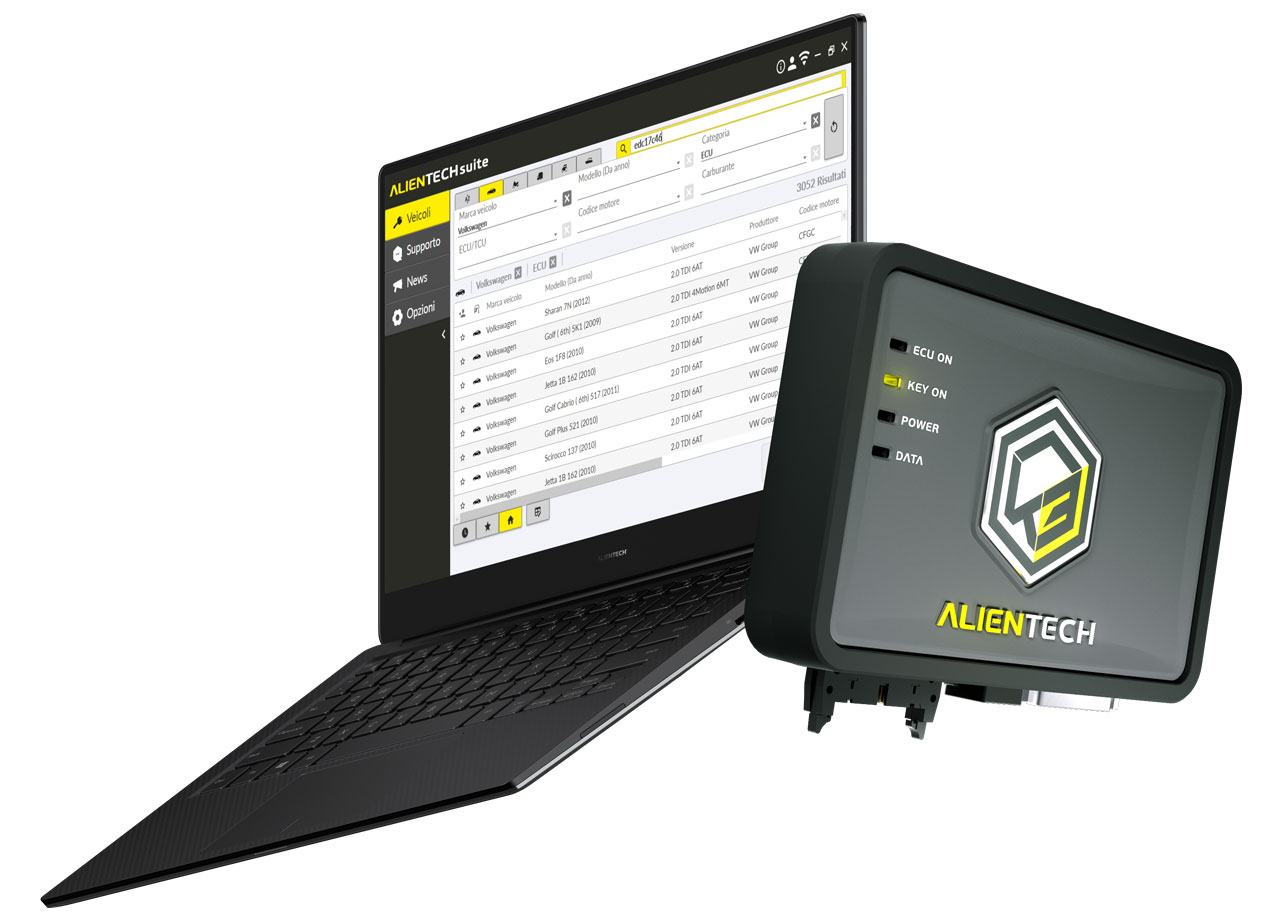
- Alientech Suite: Offers a comprehensive suite of tools for ECU tuning and map editing.
Common Challenges in Ignition Timing Tuning
Tuning ignition timing maps can be challenging due to the complex nature of engine dynamics. Some common challenges include:
- Knock Detection: Ensuring that the engine does not experience knocking when timing is advanced.
- Fuel Quality: Different fuels can affect the optimal timing settings.
- Engine Variability: Each engine may respond differently to timing changes.
Benefits of Optimizing Ignition Timing Maps
Optimizing ignition timing maps can lead to several benefits, including:
- Increased Power: Proper timing can increase engine power and responsiveness.
- Improved Fuel Efficiency: Optimized timing can lead to better fuel economy.
- Enhanced Engine Longevity: Reducing knocking and other issues can extend engine life.
Conclusion
In conclusion, the ignition timing map is a vital component of vehicle tuning. Understanding and optimizing this map can lead to significant improvements in performance and efficiency. However, it requires expertise and the right tools to achieve the best results.
Want to learn more about ignition timing maps? Explore our range of tuning tools and software here.
If you have any questions regarding chiptuning, chiptuning tools or chiptuning files, please reach out to us and we’re happy to answer your questions! Contact us.