Launch RPM Adjustment
In the world of automotive performance tuning, Launch RPM Adjustment stands out as a crucial modification for enthusiasts looking to optimize their vehicle’s acceleration capabilities. Understanding and effectively implementing launch RPM adjustments can make a significant difference in how a vehicle performs during initial acceleration, especially in competitive racing scenarios.
What is Launch RPM Adjustment?
Launch RPM Adjustment refers to the tuning process where the engine’s revolutions per minute (RPM) at launch are modified. This is often done to achieve optimal traction and power delivery when a vehicle accelerates from a standstill. By controlling the engine’s RPM at the start, drivers can minimize wheel spin and maximize acceleration, leading to improved 0-60 mph times and overall performance.
Importance of Launch RPM Adjustment
For racing enthusiasts and performance car owners, the ability to adjust the launch RPM is essential. It provides the driver with more control over the vehicle’s behavior during the critical moments of a race start. Properly adjusted launch RPM can lead to quicker starts, reduced tire wear, and a competitive edge on the track.
How to Adjust Launch RPM
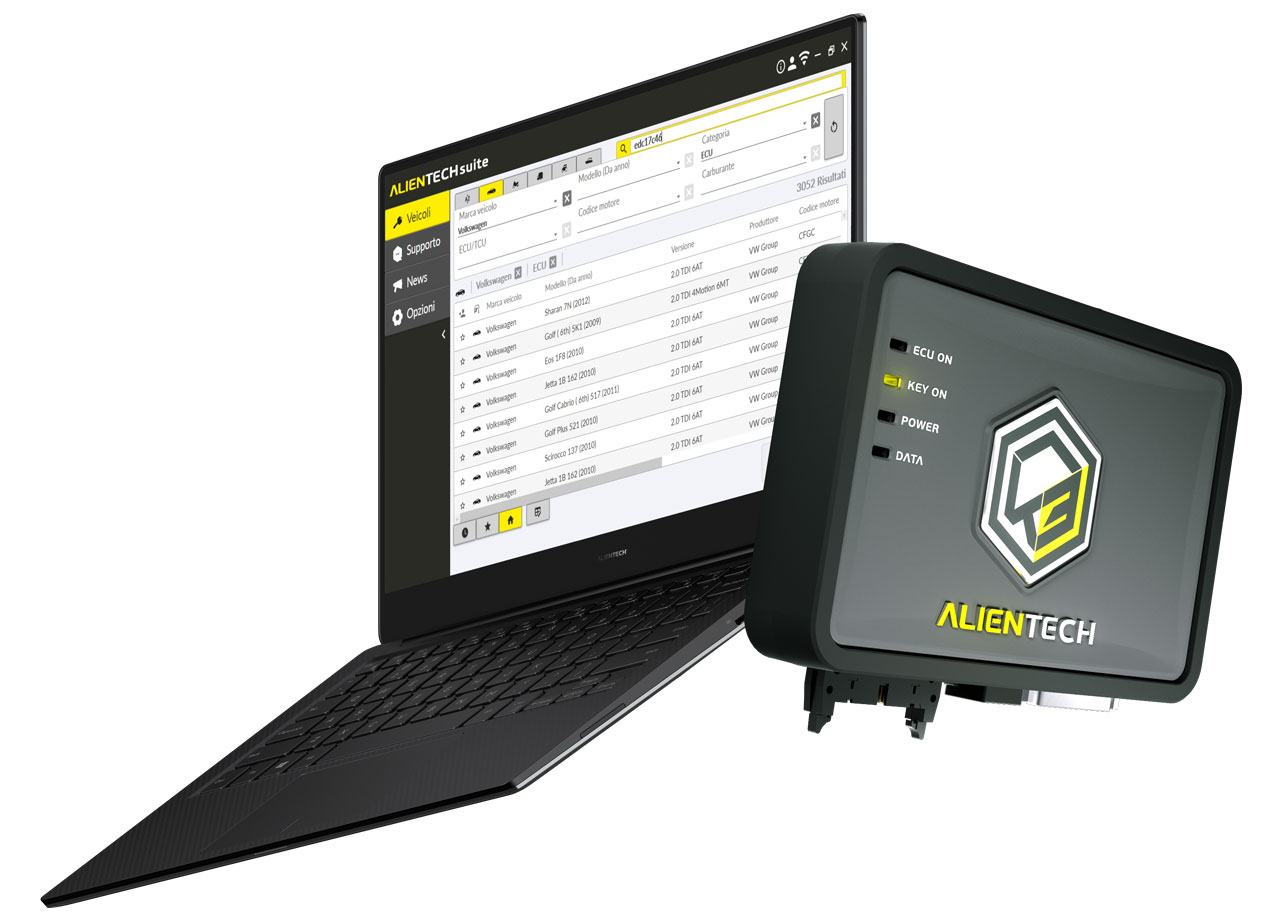
Adjusting the launch RPM typically involves reprogramming the vehicle’s engine control unit (ECU). This process can be accomplished using specialized tuning software and hardware tools. One popular method for making these adjustments is through the use of the WinOLS tuning software, which provides a comprehensive platform for ECU modification.
Tools Required for Launch RPM Adjustment
To perform a launch RPM adjustment, you’ll need the following tools:
- ECU tuning software (e.g., WinOLS, ECM Titanium)
- OBD-II interface or bench flashing tools
- Data logging tools to monitor engine performance
Additionally, understanding the difference between OBD1 and OBD2 systems can be beneficial, as it affects how the tuning tools communicate with the vehicle’s ECU.
Steps for Launch RPM Adjustment
Here are the basic steps involved in adjusting the launch RPM:
- Connect the tuning tool: Use an OBD-II interface or a bench flashing tool to connect your computer to the vehicle’s ECU.
- Read the ECU data: Use your tuning software to download the current ECU map. This step is crucial for analyzing the current settings and making informed adjustments.
- Modify the launch RPM setting: Within the tuning software, locate the launch control parameters and adjust the RPM values as needed.
- Upload the modified map: Once the adjustments are made, upload the new ECU map back to the vehicle.
- Test and monitor: After uploading the new settings, conduct test launches to ensure that the adjustments yield the desired performance improvements.
It’s important to perform these adjustments carefully to avoid any adverse effects on the vehicle’s performance or reliability.
Benefits of Proper Launch RPM Adjustment
When done correctly, launch RPM adjustment can offer several benefits, including:
- Improved traction and reduced wheel spin
- Faster acceleration times
- Enhanced control over vehicle performance
- Potential for reduced wear on drivetrain components
Challenges and Considerations
While launch RPM adjustment can significantly improve performance, it is not without its challenges. Tuning requires a good understanding of the vehicle’s mechanics and the ability to interpret data from tuning software. Additionally, modifications should be done with caution to prevent engine damage or warranty voids.
Understanding ECU Compatibility
Before making any adjustments, ensure that your vehicle’s ECU is compatible with the tuning tools you plan to use. Exploring ECU compatibility with autotuner slave tools can provide valuable insights into which tools are appropriate for your specific vehicle.
Conclusion
Launch RPM adjustment is a powerful tool for any performance enthusiast looking to improve their vehicle’s acceleration capabilities. By understanding and applying the correct tuning techniques, drivers can achieve better control and performance on the track. As with any tuning activity, it’s essential to approach these modifications with knowledge and care to maximize the benefits while minimizing risks.
Want to learn more about Launch RPM Adjustment? Explore our range of tuning tools and software here.
If you have any questions regarding chiptuning, chiptuning tools or chiptuning files, please reach out to us and we’re happy to answer your questions! Contact us.