Live Map Editing
In the world of automotive tuning, precision and adaptability are key. “Live map editing” is a term that has gained traction among car enthusiasts and tuning professionals alike. It refers to the ability to make real-time adjustments to a vehicle’s engine control unit (ECU) maps while the engine is running. This process allows tuners to optimize performance on the fly, providing a dynamic and responsive tuning experience.
Understanding Live Map Editing
Live map editing involves the use of specialized software and hardware tools that enable the tuner to interact with the vehicle’s ECU in real-time. This interaction allows for immediate feedback and adjustments, which is particularly beneficial during performance tuning sessions. Unlike traditional methods where changes are made, uploaded to the ECU, and then tested, live map editing offers an immediate application of modifications.
Benefits of Live Map Editing
There are several advantages to live map editing that make it an attractive option for tuners:
- Immediate Feedback: Changes can be made and tested instantly, allowing for a more efficient tuning process.
- Increased Precision: The ability to make real-time adjustments ensures that the vehicle’s performance is optimized accurately.
- Enhanced Performance: Tuners can extract maximum performance from the engine by fine-tuning parameters under actual driving conditions.
- Time Efficiency: Reduces the time needed for trial and error, as adjustments are made on the spot.
Tools for Live Map Editing
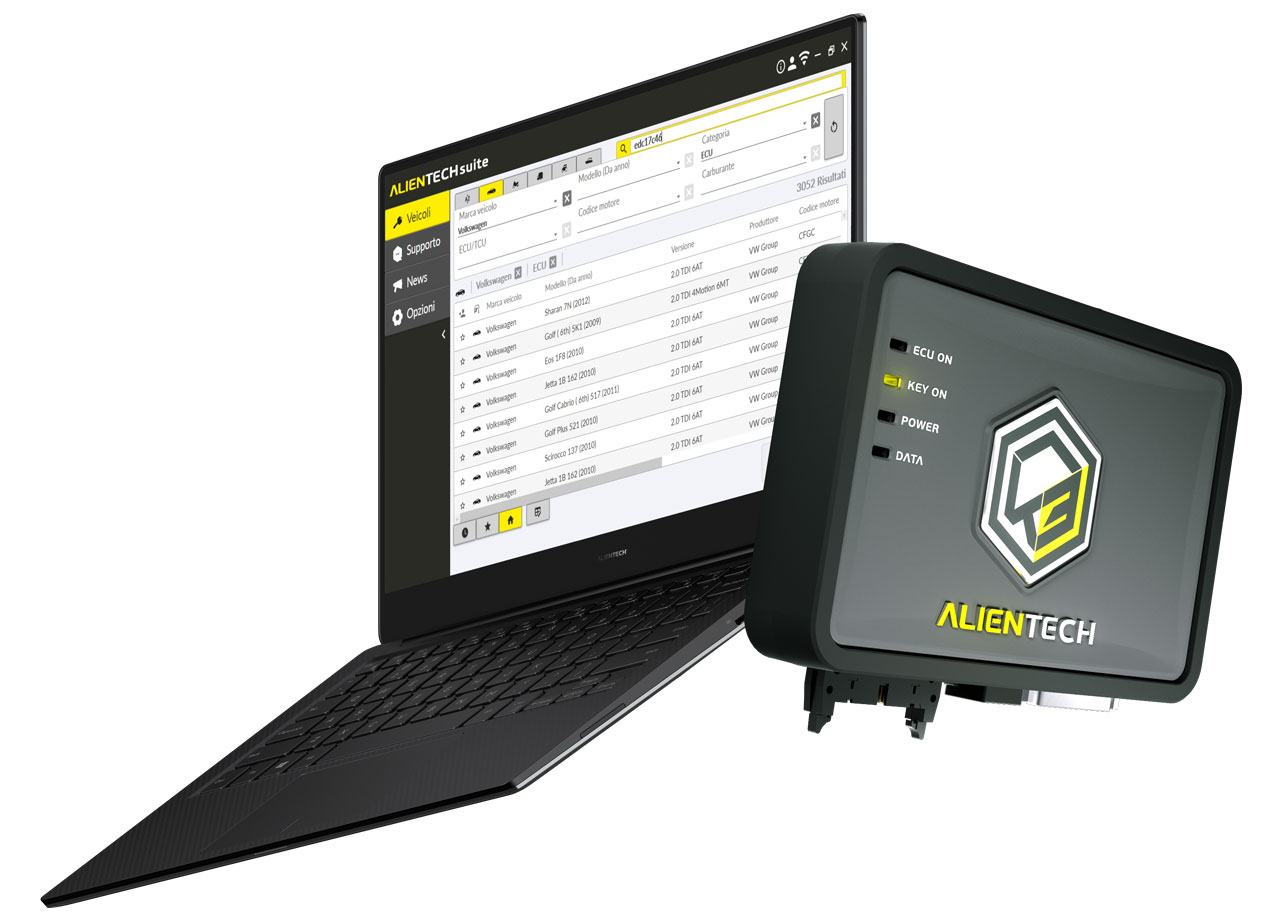
To engage in live map editing, tuners require specific tools and software. One of the most popular tools is the WinOLS software, known for its robust features and user-friendly interface. Other tools include ECM Titanium and Alientech’s KESS3, which are designed to support live map editing capabilities.

How Live Map Editing Works
During live map editing, the tuner connects a computer to the vehicle’s ECU using a diagnostic port. The tuning software communicates with the ECU, allowing the tuner to adjust parameters such as fuel injection timing, ignition timing, and boost levels. As changes are made, the effects are monitored in real-time, providing immediate feedback on the vehicle’s performance.
Step-by-Step Process
- Connect the tuning hardware to the vehicle’s diagnostic port.
- Launch the tuning software and establish a connection with the ECU.
- Begin making adjustments to the ECU maps while monitoring performance data.
- Test the changes in real-time and refine as necessary.
Challenges and Considerations
While live map editing offers numerous benefits, it also presents certain challenges. The complexity of real-time tuning requires a deep understanding of engine dynamics and ECU functionality. Additionally, not all vehicles are compatible with live map editing, and some ECUs may have restrictions that limit the scope of modifications.
It’s important for tuners to ensure that they have the necessary expertise and tools before attempting live map editing. Moreover, understanding the legal implications and ensuring compliance with emission standards is crucial to avoid potential legal issues.
Conclusion
Live map editing represents a significant advancement in the field of automotive tuning. By enabling real-time modifications, it offers tuners unparalleled control over vehicle performance, allowing for precise and efficient tuning sessions. As technology continues to evolve, live map editing is expected to become even more integral to the tuning process, providing enthusiasts with the tools they need to push the boundaries of performance.
Want to learn more about live map editing? Explore our range of tuning tools and software here.
If you have any questions regarding chiptuning, chiptuning tools or chiptuning files, please reach out to us and we’re happy to answer your questions! Contact us.