OTF (On-The-Fly) Map Editing
In the world of chiptuning, precision and efficiency are paramount. One of the advanced techniques that has revolutionized this industry is OTF (On-The-Fly) map editing. This method allows tuners to make real-time changes to the engine control unit (ECU) parameters, providing immediate feedback and adjustments. In this comprehensive guide, we will delve into the intricacies of OTF map editing, its benefits, applications, and how it compares to traditional tuning methods.
Understanding OTF Map Editing
OTF map editing, or On-The-Fly map editing, is a process that enables tuners to alter ECU settings while the engine is running. Unlike conventional tuning methods where changes are made offline and then uploaded to the ECU, OTF allows for instantaneous adjustments. This is particularly useful for fine-tuning and optimizing engine performance under varying conditions.
How OTF Map Editing Works
OTF map editing works by connecting tuning software directly to the vehicle’s ECU. This connection can be established via OBD-II ports or specialized tuning interfaces. Once connected, the software displays live data from the ECU, allowing the tuner to modify parameters such as fuel injection, ignition timing, and boost levels. These changes are applied immediately, and the effects can be observed in real-time through feedback mechanisms such as dyno tests or road performance.
Advantages of OTF Map Editing
There are several advantages to using OTF map editing over traditional methods:
- Real-time feedback: Tuners can see the impact of their changes instantly, allowing for precise adjustments.
- Time efficiency: The ability to make quick changes saves time in the tuning process, which can be crucial in a competitive environment.
- Enhanced performance: By making real-time adjustments, tuners can optimize engine performance more effectively, leading to better fuel efficiency, power output, and overall vehicle responsiveness.
- Flexibility: OTF allows for adjustments to be made under real-world conditions, providing a more accurate reflection of how the vehicle will perform in various scenarios.
Applications of OTF Map Editing
OTF map editing is used across various automotive fields, including:
- Motorsports: In racing, where every millisecond counts, OTF tuning provides the flexibility to optimize performance during practice sessions and even in real-time during races.
- Performance tuning: Car enthusiasts and tuning professionals use OTF to achieve the best possible performance from their vehicles, whether for street use or track days.
- Custom builds: For custom engine builds, OTF map editing is invaluable for fine-tuning engines to match specific modifications and achieve desired performance goals.
Challenges and Considerations
While OTF map editing offers numerous benefits, there are also challenges and considerations to be aware of:
- Complexity: OTF requires a deep understanding of engine dynamics and ECU programming, making it more suitable for experienced tuners.
- Equipment costs: The tools and software required for OTF can be expensive, necessitating a significant investment for tuning shops.
- Risk of damage: Incorrect adjustments can lead to engine damage, highlighting the importance of expertise and caution when performing OTF tuning.
OTF Map Editing vs. Traditional Tuning
When comparing OTF map editing to traditional tuning methods, several key differences arise:
- Speed: OTF allows for immediate changes, while traditional methods involve a longer process of logging data, analyzing it, making changes, and then re-flashing the ECU.
- Data accuracy: OTF provides real-time data, which can be more accurate and relevant compared to the static data used in traditional tuning.
- Adaptability: OTF tuning can adapt to real-world conditions, whereas traditional tuning is often based on predefined scenarios.
For more insights on tuning techniques, you might find our article on bench, OBD, or bootmode tuning valuable.
Tools and Software for OTF Map Editing
Several tools and software platforms are available for OTF map editing. These include:
- ECU Connectors: Devices that facilitate the connection between the tuning software and the ECU.
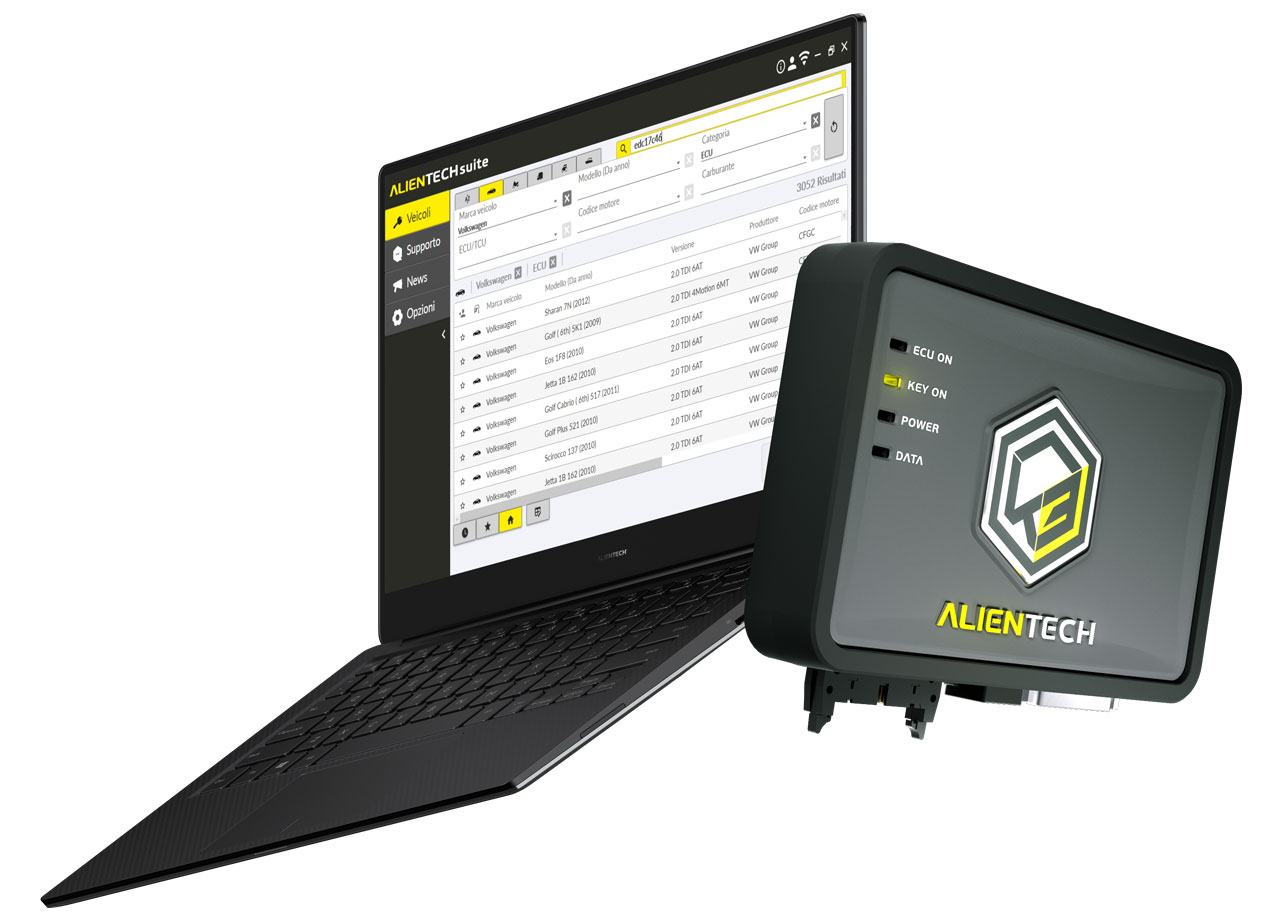
- Tuning software: Programs like Alientech Suite and ECM Titanium are popular choices among tuners for their comprehensive features and user-friendly interfaces.
- Data logging tools: Essential for recording performance data, allowing for detailed analysis and further refinements.
Choosing the Right Tools
When selecting tools for OTF map editing, consider factors such as compatibility with your vehicle’s ECU, the features offered by the software, and your own level of expertise. For those new to tuning, it may be beneficial to start with a more straightforward tool and gradually progress to more advanced options as your skills develop.
If you’re interested in exploring more about choosing the right tuning tools, our guide on how to choose the right chiptuning tools provides detailed insights.
The Future of OTF Map Editing
The future of OTF map editing looks promising, with advancements in technology making it more accessible and efficient. As automotive technology continues to evolve, the demand for real-time tuning solutions is expected to grow, driven by the need for enhanced performance and fuel efficiency.
Furthermore, as more vehicles become equipped with advanced ECUs and connectivity options, the potential for OTF tuning to expand into new areas of the automotive industry increases. This could include electric vehicles and hybrid models, where precise control of power distribution and energy management is crucial.
Conclusion
OTF (On-The-Fly) map editing represents a significant advancement in the field of chiptuning, offering unparalleled flexibility and precision. While it presents certain challenges, the benefits it provides make it an invaluable tool for tuners aiming to optimize vehicle performance. As technology continues to progress, OTF map editing will likely play an increasingly important role in the future of automotive tuning.
Want to learn more about OTF map editing? Explore our range of tuning tools and software here.
If you have any questions regarding chiptuning, chiptuning tools or chiptuning files, please reach out to us and we’re happy to answer your questions! Contact us.