PID Controller Calibration
In the world of chiptuning and automotive performance optimization, understanding the nuances of PID controller calibration is crucial. PID controllers, which stand for Proportional-Integral-Derivative controllers, are essential in various automotive applications, including engine management systems. They help maintain the desired engine performance by adjusting control variables in response to changing conditions. This blog post will explore the fundamentals of PID controller calibration, its significance in chiptuning, and how it can be effectively implemented to optimize your vehicle’s performance.
Understanding PID Controllers
Before diving into PID controller calibration, it’s important to understand what a PID controller is and how it functions. A PID controller is a control loop feedback mechanism widely used in industrial control systems and a variety of automotive applications. It continuously calculates an error value as the difference between a desired setpoint and a measured process variable. The controller attempts to minimize this error by adjusting the process control inputs.
The Components of a PID Controller
- Proportional (P): This component produces an output value that is proportional to the current error value. The proportional response can be adjusted by multiplying the error by a constant called the proportional gain (Kp).
- Integral (I): The integral component is concerned with the accumulation of past errors. If the error has been present for some time, the integral term tries to eliminate the residual steady-state error that occurs with a pure proportional controller. It is multiplied by the integral gain (Ki).
- Derivative (D): The derivative component predicts future error, based on its rate of change. It provides a damping force to reduce overshoot. The derivative term is adjusted by the derivative gain (Kd).
The Importance of PID Controller Calibration
Proper PID controller calibration is vital for ensuring the optimal performance of a vehicle’s engine management system. Calibration involves adjusting the PID parameters (Kp, Ki, and Kd) to achieve a desired response. An improperly calibrated PID controller can lead to poor performance, increased fuel consumption, and even engine damage. Hence, understanding how to calibrate these controllers is essential for anyone involved in chiptuning.
Steps in PID Controller Calibration
The calibration process typically involves the following steps:
- Set the Proportional Gain (Kp): Start by setting the Kp to a low value and gradually increase it until the system starts oscillating. The goal is to find the point where the system responds quickly without excessive overshoot.
- Adjust the Integral Gain (Ki): Once the Kp is set, the Ki is adjusted to eliminate the steady-state error. Care must be taken to avoid setting it too high, as this can lead to instability.
- Fine-Tune the Derivative Gain (Kd): Finally, the Kd is set to reduce the overshoot and improve system stability. This step requires careful observation, as excessive derivative gain can make the system overly sensitive to noise.
Common Challenges in PID Controller Calibration
Calibrating a PID controller can be challenging due to the complexity of the systems involved and the interplay between the PID parameters. Some common challenges include:
- Non-Linear Systems: Many automotive systems are non-linear, making it difficult to achieve consistent performance across all operating conditions.
- Noise and Disturbances: External noise and disturbances can affect the performance of the PID controller, requiring additional filtering or adaptive control strategies.
- Time Delays: Delays in the system response can lead to instability if not properly accounted for during calibration.
Tools and Software for PID Controller Calibration
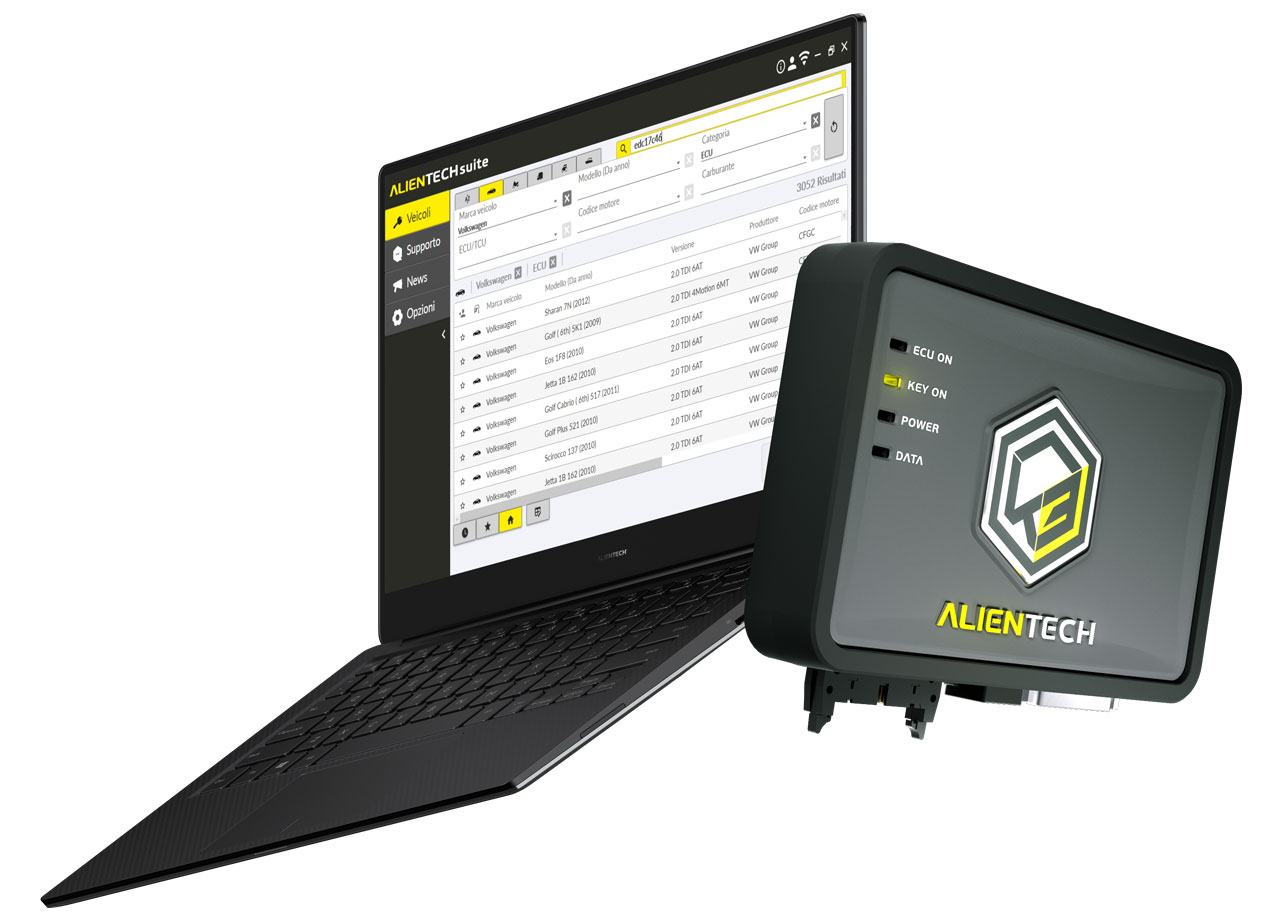
There are various tools and software available to assist in the calibration of PID controllers. These tools can simplify the calibration process by providing real-time feedback and advanced algorithms for parameter tuning.
For more detailed insights into tuning tools and software, consider exploring our comprehensive guide on WinOLS, a powerful software for chiptuning and performance optimization.
Conclusion
Understanding and effectively implementing PID controller calibration is essential for optimizing vehicle performance in the realm of chiptuning. By carefully adjusting the PID parameters, you can ensure that your vehicle’s engine management system operates efficiently and reliably. Whether you’re a beginner or a seasoned professional in the chiptuning world, mastering PID controller calibration will enhance your ability to deliver superior performance and efficiency.
Want to learn more about PID Controller Calibration? Explore our range of tuning tools and software here.
If you have any questions regarding chiptuning, chiptuning tools or chiptuning files, please reach out to us and we’re happy to answer your questions! Contact us.