Understanding the Role of the Rail Pressure Limiter in Modern Engines
In the intricate world of automotive engineering, particularly in the realm of chiptuning, the rail pressure limiter plays a pivotal role. This component, often overlooked by those new to tuning, is essential for maintaining the balance and performance of a vehicle’s fuel system. Understanding its function and importance can provide deeper insights into how modern engines operate and how tuning can enhance their performance.
What is a Rail Pressure Limiter?
The rail pressure limiter is a crucial component in the fuel injection system of modern diesel engines. Its primary function is to regulate the pressure within the fuel rail, ensuring that it does not exceed a predetermined limit. This regulation is vital for the protection of the fuel injectors and the overall engine. Excessive pressure can lead to injector damage, reduced engine efficiency, and even catastrophic engine failure.
Functionality of the Rail Pressure Limiter
The rail pressure limiter works by providing a controlled release of pressure when it exceeds safe levels. In essence, it acts as a safety valve for the fuel system. When the pressure in the fuel rail rises beyond the set threshold, the limiter opens to allow excess fuel to return to the fuel tank, thereby reducing the pressure. This process ensures that the fuel injectors receive fuel at the optimal pressure for efficient combustion.
Why is the Rail Pressure Limiter Important in Chiptuning?
In the context of chiptuning, the rail pressure limiter is especially significant. Tuning often involves altering the engine’s parameters to increase power and efficiency. This can lead to increased fuel pressure requirements. However, without a functioning rail pressure limiter, these changes can cause excessive pressure in the fuel rail, leading to potential damage.
Moreover, understanding the rail pressure limiter’s role can aid in diagnosing performance issues related to fuel delivery. For instance, if a vehicle exhibits symptoms of low power or poor fuel economy, checking the rail pressure and the condition of the limiter can be a good starting point for troubleshooting.
Common Issues with Rail Pressure Limiters
Like any component, rail pressure limiters can experience issues. Common problems include:
- Sticking Valve: The valve within the limiter can become stuck, preventing it from opening or closing properly. This can lead to either excessive pressure or inadequate fuel delivery.
- Wear and Tear: Over time, the components within the limiter can wear out, reducing its effectiveness and potentially leading to leaks.
- Contamination: Dirt and debris in the fuel system can accumulate in the limiter, impairing its function.
Regular maintenance and proper fuel filtration can help mitigate these issues, ensuring the rail pressure limiter functions effectively.
Enhancing Performance with the Rail Pressure Limiter
For those involved in tuning and optimization, understanding how to manipulate the rail pressure limiter can lead to significant performance gains. By carefully adjusting the pressure settings within safe limits, tuners can achieve better fuel atomization, leading to more efficient combustion and increased power output.
However, it is crucial to approach this with caution. Any modifications to the fuel system should be conducted with a thorough understanding of the engine’s capabilities and limitations. Using advanced diagnostic tools and software can aid in making informed adjustments.
Tools for Diagnosing and Adjusting Rail Pressure
Various tools and software are available to assist in diagnosing and adjusting rail pressure settings. These include:
- Diagnostic Scanners: These tools can read the fuel rail pressure and provide real-time data on the engine’s performance.
- Tuning Software: Programs like WinOLS allow for precise adjustments to the engine’s ECU, enabling tuners to optimize rail pressure settings.
- Pressure Gauges: Manual gauges can provide a direct reading of the fuel rail pressure, offering a simple yet effective diagnostic tool.
For more information on tuning tools, you can explore resources such as our blog on learning chiptuning.
Conclusion
The rail pressure limiter is an indispensable component of modern diesel engines, ensuring the safe and efficient operation of the fuel system. For enthusiasts and professionals in the chiptuning industry, understanding and utilizing the rail pressure limiter’s functions can unlock new levels of performance and reliability. As always, it’s essential to approach tuning with the right knowledge and tools to maximize benefits while minimizing risks.
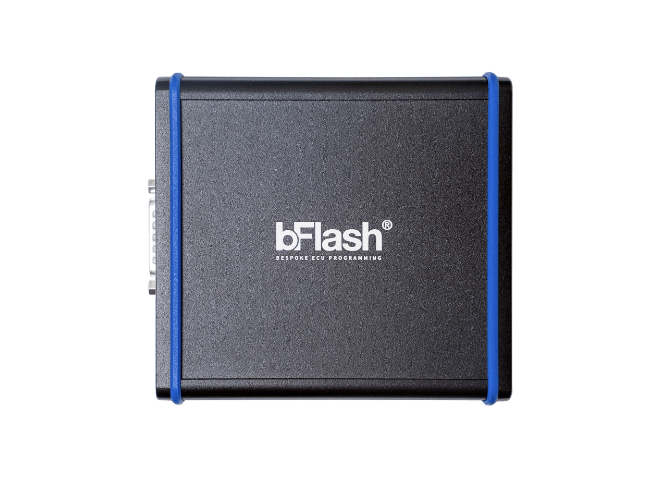
Want to learn more about rail pressure limiters? Explore our range of tuning tools and software here.
If you have any questions regarding chiptuning, chiptuning tools or chiptuning files, please reach out to us and we’re happy to answer your questions! Contact us.