
Understanding the RAM Viewer in Chiptuning
In the world of chiptuning, the RAM Viewer is an essential tool that allows tuners to observe and analyze the real-time performance data of a vehicle’s engine control unit (ECU). This powerful feature plays a crucial role in optimizing vehicle performance by providing insights into how an engine operates under various conditions. In this blog post, we’ll delve into the specifics of what a RAM Viewer is, its importance in chiptuning, and how it can be effectively utilized by both beginners and advanced tuners.
What is a RAM Viewer?
The RAM Viewer is a software tool integrated within certain chiptuning platforms that enables users to access the live data stored in the random-access memory (RAM) of an ECU. Unlike flash memory, which is used to store the ECU’s operating program and permanent data, RAM is used for temporary data storage that changes in real-time as the engine runs. This data includes sensor readings, fuel mixture information, ignition timing, and other parameters critical to engine performance.
How Does the RAM Viewer Work?
The RAM Viewer works by establishing a connection with the ECU, typically through an On-Board Diagnostics (OBD) interface or a direct connection. Once connected, the RAM Viewer accesses the ECU’s RAM to retrieve and display live data. This process allows tuners to monitor how different variables change in response to driving conditions, modifications, and tuning adjustments.
The Importance of RAM Viewer in Chiptuning
Utilizing a RAM Viewer is crucial for achieving precise tuning results. By observing real-time data, tuners can make informed decisions on how to adjust the ECU’s parameters to enhance performance, fuel efficiency, and emissions. The RAM Viewer helps identify issues that may not be apparent through static analysis, allowing for a more dynamic and responsive tuning process.
Benefits of Using a RAM Viewer
- Real-Time Monitoring: Provides immediate feedback on how engine adjustments affect performance, enabling rapid and accurate tuning.
- Enhanced Diagnostics: Helps in identifying performance issues, sensor malfunctions, and other potential problems.
- Optimization: Allows for fine-tuning of engine parameters to achieve the desired balance between power, efficiency, and emissions.
Using RAM Viewer for Advanced Tuning
For advanced tuners, the RAM Viewer offers a deeper level of insight that can be used to push the limits of engine performance. By analyzing patterns and trends in the data, tuners can develop custom tuning strategies that are tailored to specific driving conditions or performance goals. This capability is especially valuable for motorsport applications, where every fraction of a second counts.
Integrating RAM Viewer with Other Tuning Tools
The effectiveness of a RAM Viewer can be further enhanced when used in conjunction with other chiptuning tools. For instance, combining the RAM Viewer with a data logger allows for the collection of comprehensive datasets that can be analyzed over time. Similarly, using the RAM Viewer alongside tools like WinOLS can provide a complete solution for ECU remapping and optimization.
Choosing the Right RAM Viewer
When selecting a RAM Viewer, it’s important to consider compatibility with your vehicle’s ECU and the specific features you require. Some RAM Viewers offer advanced functions such as graphical displays, customizable dashboards, and automated alerts, which can greatly enhance the tuning process. Additionally, user-friendly interfaces and reliable technical support are valuable considerations for ensuring a smooth tuning experience.
Conclusion
In conclusion, the RAM Viewer is an indispensable tool in the chiptuning toolkit. Its ability to provide real-time insights into engine performance makes it a valuable asset for both novice and expert tuners. By understanding and utilizing the RAM Viewer, you can unlock the full potential of your vehicle’s engine, achieving optimal performance and efficiency.
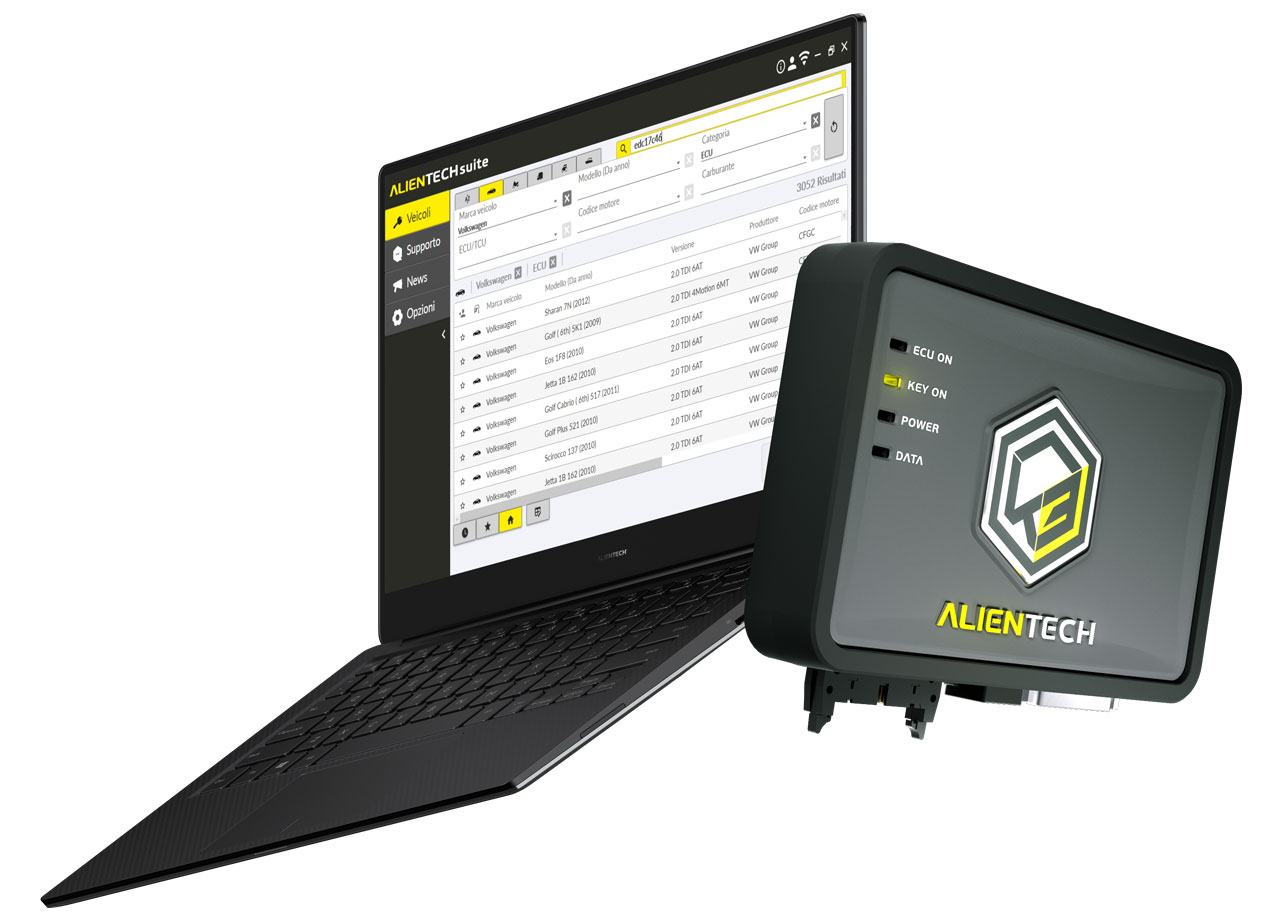
Want to learn more about RAM Viewer? Explore our range of tuning tools and software here.
If you have any questions regarding chiptuning, chiptuning tools or chiptuning files, please reach out to us and we’re happy to answer your questions! Contact us.